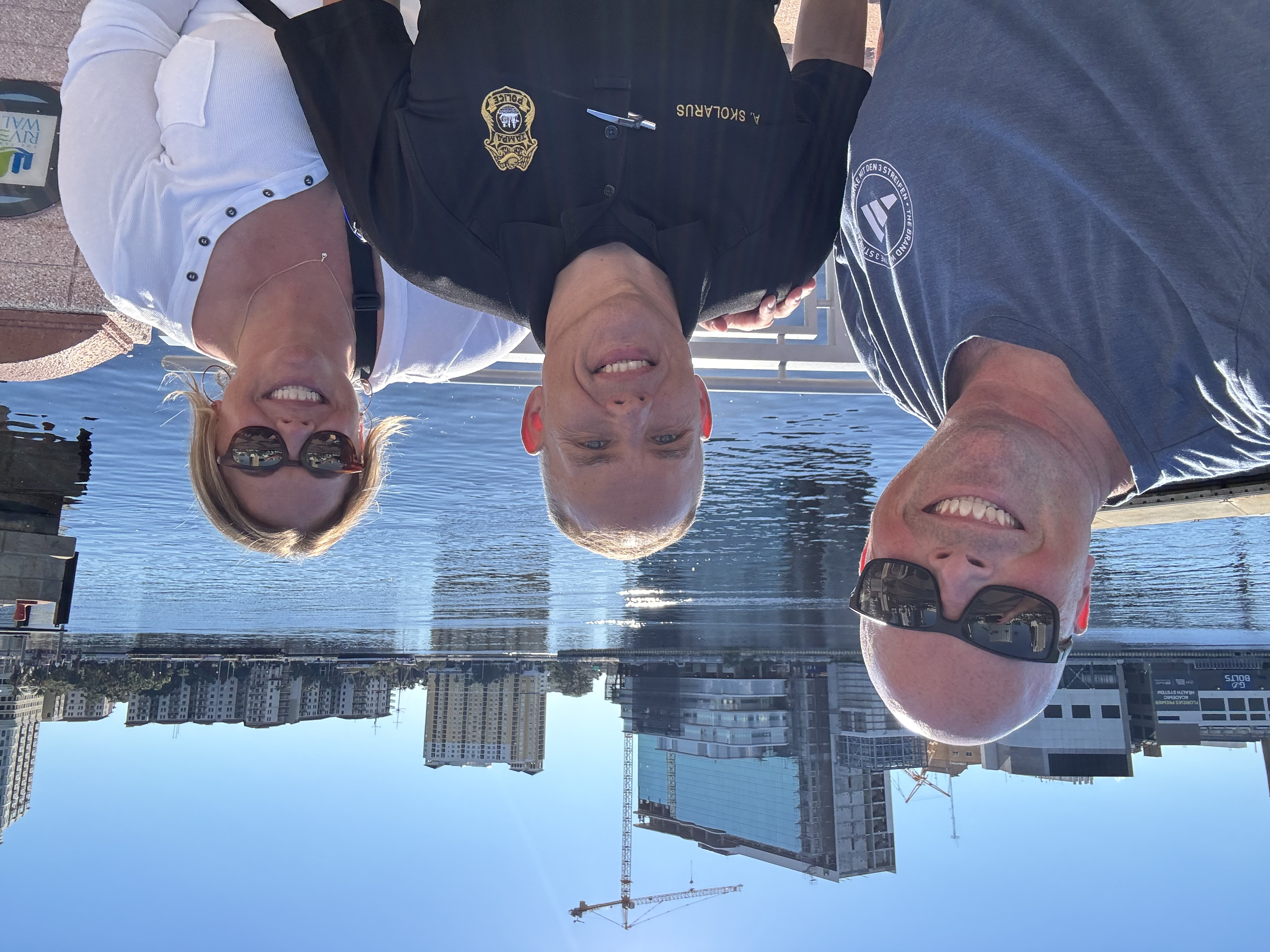
Nobody trains us for the day the badge comes off. This week, Brenda Grigsby and I got to change that for a room full of officers at the Tampa Police Department.
Teaching Life Beyond the Badge in Tampa was a highlight for both of us. The class started in Kansas City, and it's now POST certified in Kansas, Missouri, and Georgia. Bringing it to Florida meant sitting down with a new group of officers who carry the same question every cop eventually faces: who am I when this job is over?

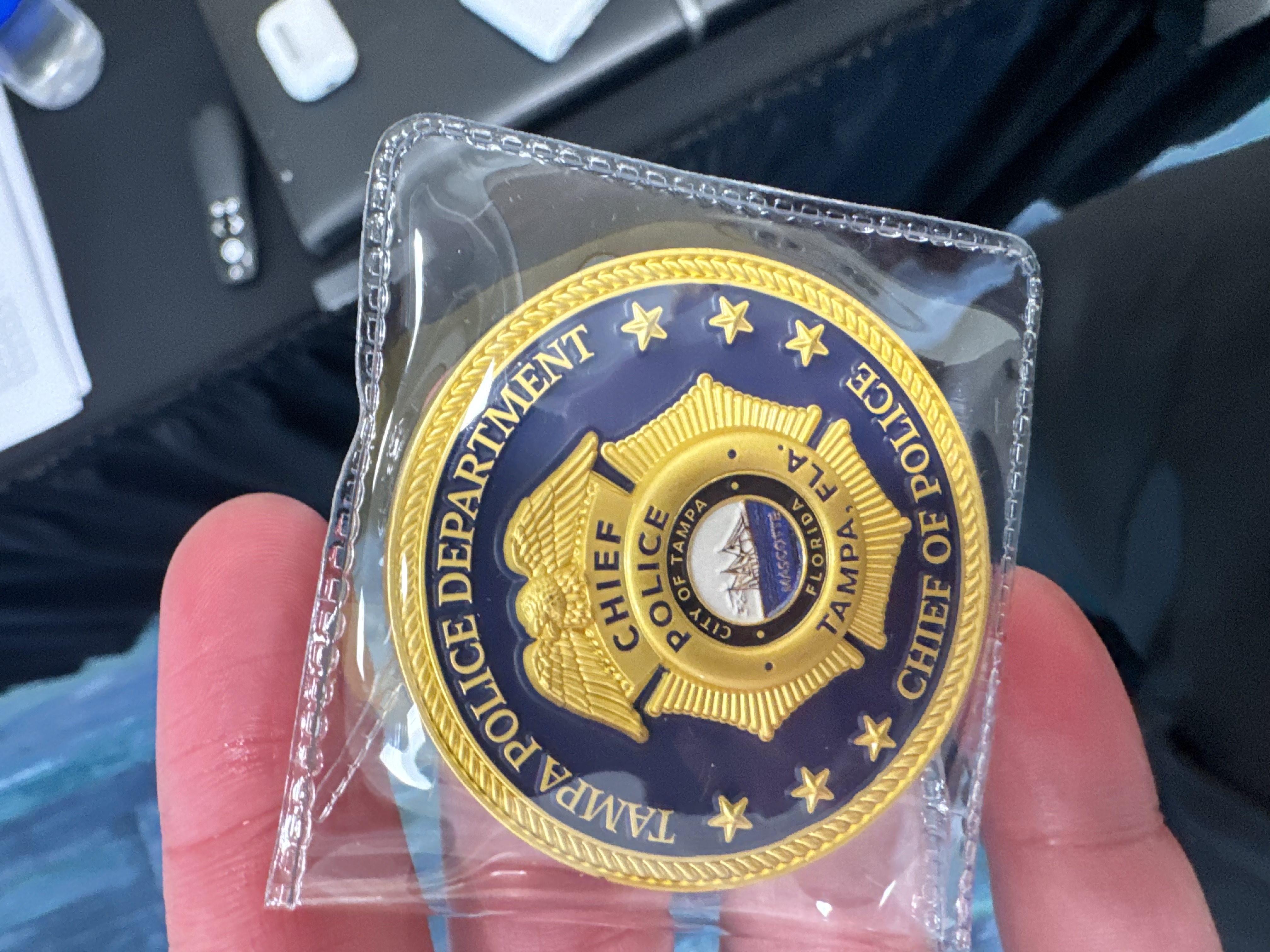
The officers in that room were engaged from the first slide. They asked hard questions, shared honest stories, and pushed each other to think past their next shift. Thank you to the Tampa Police Department for opening your doors and trusting us with your people, and a special thanks to Lt. Tony Skolarus and Major Kim Fruit for making it happen. We left with an awesome Tampa PD challenge coin, some great swag, and a lot of gratitude.
For anyone wondering what the class actually covers, here's a look at the four sections and why each one matters.
The four sections of Life Beyond the Badge
1. LinkedIn and your professional presence
Most officers spend their careers keeping a low profile online, and for good reason. But when you start looking at the private sector, recruiters search LinkedIn before they ever read a résumé. If you aren't there, or your profile says nothing beyond "Police Officer," you're invisible.
We walk through building a profile live: the headline, the summary, how to describe your experience, and how to manage your digital reputation safely. Why it matters: officers with a strong professional presence are 90% more likely to successfully move on to their next career. Your next job will likely come from someone who found you or vouched for you online, not from a cold application.
2. Résumé development and skill translation
This is where most officers get stuck. We know we've led people, handled crises, written thousands of reports, and made high-stakes decisions in seconds. But "conducted traffic stops" and "wrote reports" don't mean anything to a hiring manager in corporate security, risk, HR, or operations.
We teach officers how to translate law enforcement experience into private-sector language and competencies. Why it matters: applicant tracking systems and recruiters screen for specific words. If your résumé doesn't speak their language, it never reaches a human. And when it does, a recruiter spends an average of just 7.4 seconds on it, according to an eye-tracking study by Ladders. Your experience has to land fast.
3. Interview preparation and compensation
We've all sat through oral boards. Private-sector interviews are a different animal. They lean on behavioral questions ("Tell me about a time when..."), and they expect you to talk about results, not just duties. Failure often starts with the very first question: "Tell me about yourself." Unless you've prepared for it, that open door turns into a rambling career history instead of a strong first impression.
We practice those questions and cover something few officers have ever had to do: evaluate a total compensation package, from salary and bonus to retirement, insurance, and time off. Why it matters: a pension and a union contract set your pay for years. In the private sector, what you negotiate on day one follows you.
4. Managing the identity shift
This is the heart of the class, and it's why I built it with Brenda, a licensed therapist with more than 20 years of experience working with first responders. In Tampa, she asked the room a simple question: Which of my needs were met by being a first responder?

The job gives us autonomy, competence, belonging, recognition, purpose, and structure. Just because you leave doesn't mean those needs go away. Brenda helps officers recognize the stress and grief that can come with leaving, and build the resilience and support systems to get through it.
Then she challenges them: answer "Tell me about yourself" and describe your values without using a single word of career terminology. No rank, no unit, no years on the job. For many officers, it's the hardest question of the day, and the most revealing. Why it matters: the résumé gets you hired. Knowing who you are without the badge is what lets you thrive in the next chapter.
What's next
Tampa reminded me why we do this. Every officer in that room gave years to their community. They deserve a plan for what comes after, built before the day they turn in their gear, not after.
Our next class is at the Kansas Law Enforcement Training Center on January 21, 2027, at the KU Edwards Campus in Overland Park. It's a one-day, 8-hour course that counts toward POST continuing education. Register here.
Want to bring Life Beyond the Badge to your agency? We're actively working to expand to new states, including Texas. Reach out at tbltransitions.com and let's talk.
Stay safe,
Terry Owens, CPP